10,700 human rights violations documented in occupied Crimea since 2017.
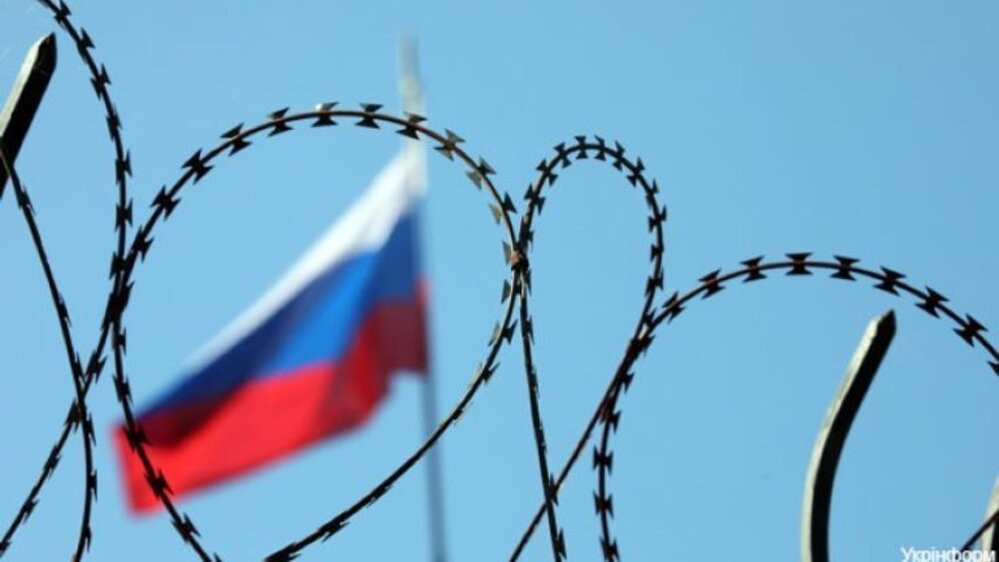
In the temporarily occupied Crimea, from 2017 to 2025, human rights activists have documented a staggering 10,727 instances of human rights violations. Out of these, 7,166 targeted members of the indigenous Crimean Tatar community. These violations encompassed both political repression and infringements on the right to freedom of conscience.
This was reported by the Crimean Tatar Resource Center (CTRC), according to Ukrinform.
“Between 2017 and 2025, there were 10,727 documented violations of fundamental human rights in occupied Crimea, with 7,166 affecting members of the indigenous Crimean Tatar,” the report reads.
As noted, the indigenous Crimean Tatar people are in a particularly difficult situation, suffering severe repression.
According to the CTRC, since the onset of Crimea's occupation, the total number of political prisoners and individuals facing criminal charges has reached 486, including 272 Crimean Tatars.
Human rights advocates have underscored that Russia is continuing its mass repression and intimidation of Crimean Tatars and pro-Ukrainian activists in blatant disregard of international law.
From 2017 to 2025, the following violations were noted on the peninsula: 555 searches (381 involving Crimean Tatars), 1,745 detentions (1,281 involving Crimean Tatars), 1,707 interrogations (1,184 involving Crimean Tatars), 1,818 arrests (1,204 involving Crimean Tatars), 3,739 violations of the right to a fair trial (2,276 involving Crimean Tatars), 709 violations of the right to health (486), and 454 transfers (354).
Activists are urging everyone to share information about the ongoing repression in Crimea. They believe that collective efforts can help restore freedom to those unjustly suffering. “Crimea was and remains Ukrainian, and its people deserve peace and freedom,” stated the CTRC.
As RISU reported, since Russia's annexation of Crimea in 2014, 122 individuals have faced legal action in cases involving “Crimean Muslims,” primarily due to accusations by Russian security forces of their ties to the religious organization “Hizb ut-Tahrir,” which is banned in Russia but allowed in many other countries.